Commercial Structured Cabling in Chicago: What the Data Says Before You Hire a Contractor
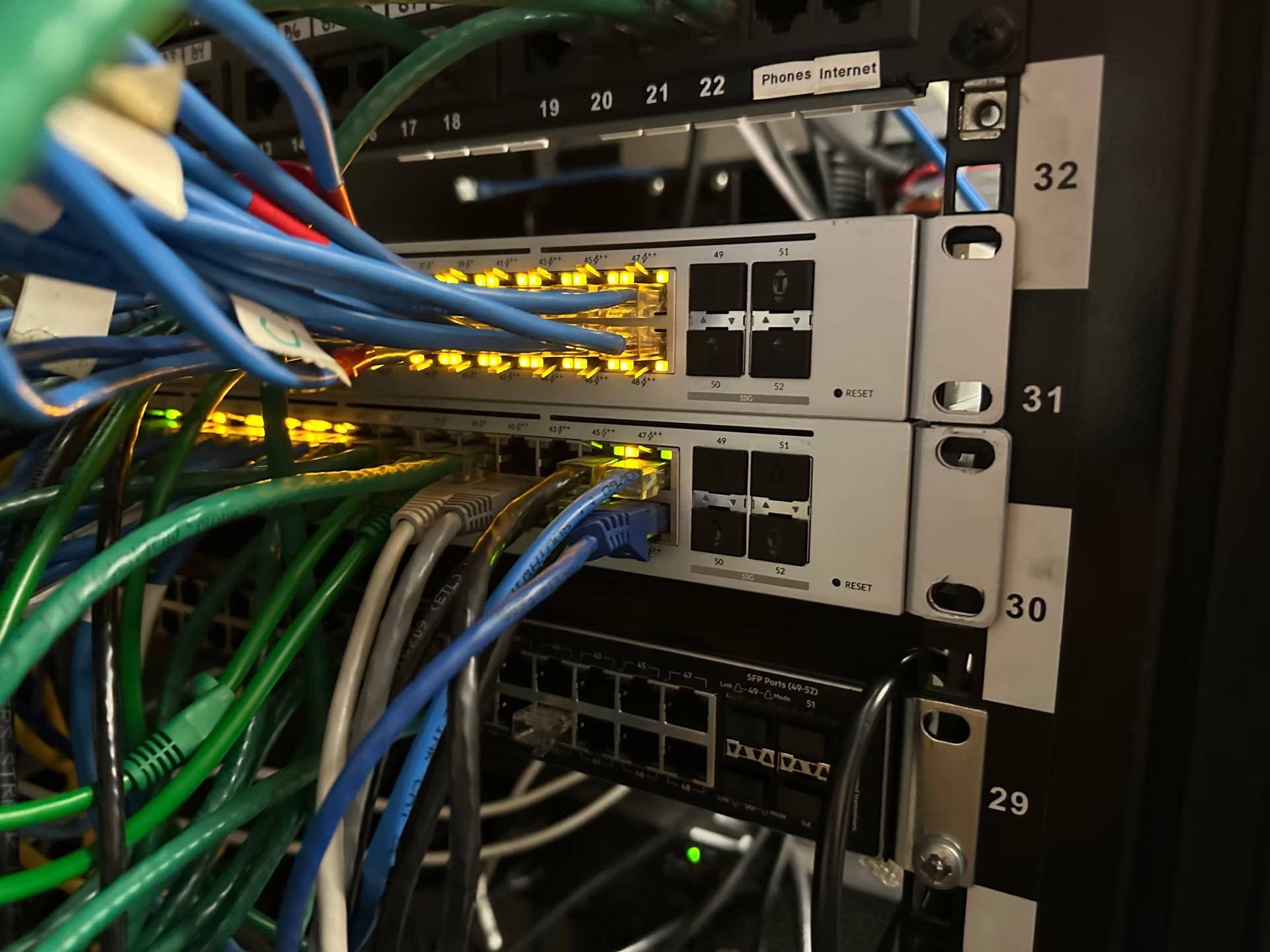
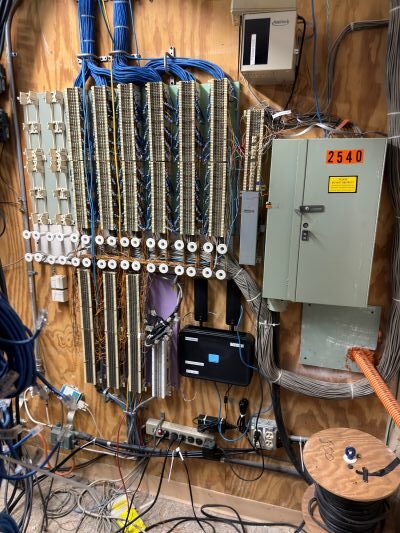
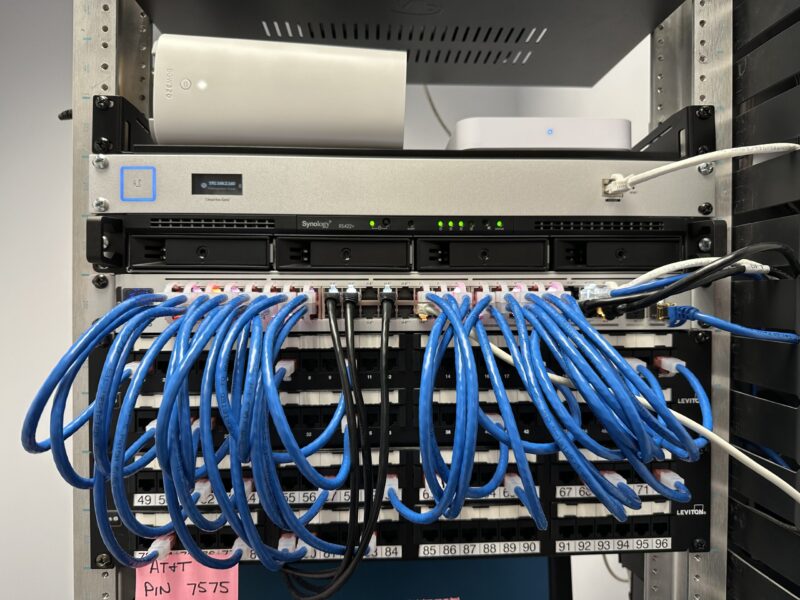
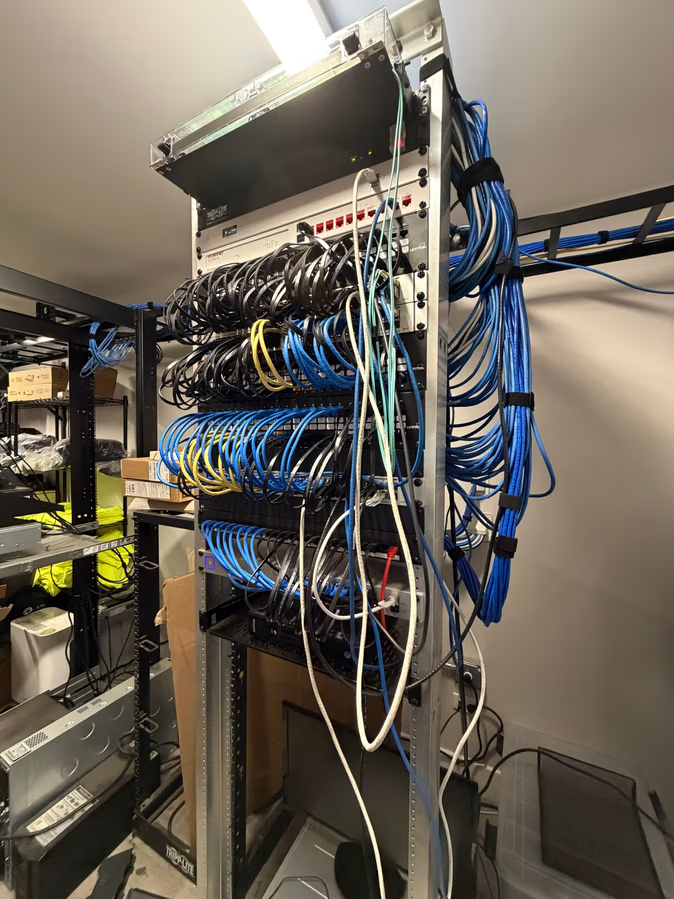
Commercial Structured Cabling Services in Chicago
Infinity Technologies designs, installs, and certifies commercial structured cabling for businesses across Chicago, the south suburbs, and Northwest Indiana. Our structured cabling services cover everything your network physically runs on: Cat6A copper, fiber optic backbones, telecom rooms and racks, pathways, and the testing and documentation that prove it all works.
Because we’re a managed service provider, we don’t install cable and walk away. The same team that builds your cabling infrastructure supports the network, Wi-Fi, security cameras, and access control that run over it, so there’s one accountable partner when something needs attention. Whether you’re building out a new office, moving into a new suite, or replacing aging cabling in an older building, we’ll walk the space, scope the project, and give you an itemized quote. Fill out the form below and request a free consultation date.
Request a Free Site Visit and Consultation Today.
Commercial Structured Cabling in Chicago: What the Data Says Before You Hire a Contractor
Structured cabling is the least glamorous line item in any Chicago office build-out, and the one that is most expensive to get wrong. Switches and access points get replaced every few years. The cable in your walls and ceilings is expected to last for decades. That mismatch is the single most useful lens for evaluating a commercial structured cabling project in Chicago, and it changes how you should compare structured cabling contractors, read a bid, and decide what to install.
This guide pulls together current market data, 2026 pricing benchmarks, and Chicago-specific considerations so facilities managers, IT leaders, and property teams can scope a project with confidence. Infinity Technologies is a full package managed service provider (MSP) based in Mokena, Illinois. We’ve been serving businesses and organizations across the private and public sector throughout Chicago and Northwest Indiana for 30 years.
What Is Commercial Structured Cabling?
Commercial structured cabling is the standardized, organized infrastructure of copper and fiber cabling, patch panels, outlets, pathways, and telecom rooms that carries data, voice, Wi-Fi, security cameras, access control, and increasingly power to devices across a building. Unlike point-to-point wiring, a structured system is designed to a standard (TIA/EIA and BICSI practices), documented, tested, and built to be reconfigured without re-pulling cable.
A complete structured cabling installation typically includes:
-
- Horizontal cabling: Cat6 or Cat6A copper runs from the telecom room to every workstation, access point, camera, and display
-
- Backbone cabling: fiber (or copper) between floors, closets, and buildings
-
- Telecom rooms and racks: MDF/IDF design, patch panels, cable management, grounding
-
- Pathways: conduit, cable tray, J-hooks, firestopping
-
- Testing and certification: per-link test results, labeling, and as-built documentation
If you see this scope bundled as a single “network cabling” or “low voltage cabling” quote, ask for each piece to be priced separately. That is where bids diverge.
Insight 1: The Cable Is the Cheapest Part of the Job
Buyers tend to compare commercial structured cabling cost by cable category, but that isn’t how MSPs estimate a quote for an industrial or commercial structured cabling jobs. Rather we measure by drop installation; a drop is the cable run between a single endpoint throughout the building like a security camera or Wi-Fi access point to a centralized panel that form the backbone of your business’s technology ecosystem.
| Drop type | Typical installed cost per drop (2026, U.S. benchmark) |
|---|---|
| Cat6 copper | $150 to $300 |
| Cat6A copper | $200 to $400 |
| Standard interior fiber | $300 to $800 |
| Complex or exterior fiber | $800 to $1,000+ |
Two things stand out. First, the premium for Cat6A over Cat6 is modest relative to the total installed cost, because labor, pathway, termination, and testing dominate. However, labor and these proactive safeguards are a vital investment, many of our clients previously used a general contractor to install cabling framework but these vendors often use poor design and limited utility. Thus, many of our clients acquired Infinity Technologies’ expertise to repair the initial cabling installation which not only doubles the cost of a proper network integration, but businesses incur loses with slow networks and added downtime . Secondly, per-drop cost falls as drop count rises, since a crew mobilized for a 200-drop project works far more efficiently per drop than one doing 10 drops.
The takeaway: if you are going to open a ceiling and pull cable once, the incremental cost of Cat6A is usually small compared with the cost of reopening that ceiling in ten years.
Insight 2: Chicago’s Office Market Is Split in Two, and So Is the Cabling Opportunity
Chicago’s commercial real estate market is bifurcated. According to Cushman & Wakefield’s Q3 2026 data, downtown office vacancy was 27.2%, while trophy-class vacancy fell to 12.1%. Suburban office vacancy was reported at 24.1% by Cushman & Wakefield and 27.9% by CBRE (brokers measure inventory differently, so check which methodology a report uses). Industrial space is the tight segment, with vacancy at 4.7%, flat for four straight quarters.
What that means for structured cabling in Chicago:
-
- Flight to quality means more build-outs and re-cabling in trophy and Class A space. Tenants moving into premium towers and Fulton Market buildings expect Cat6A, fiber backbones, and dense Wi-Fi 6E/7 cabling from day one.
-
- High vacancy in older Class B and C buildings means aging cabling. Landlords and tenants negotiating concessions often inherit legacy Cat5e and undocumented closets. A cabling assessment during lease negotiation can shape who pays for the upgrade.
-
- Short lease terms are rising. In Q3 2026, 46.3% of Chicago office tenants searching on TenantBase wanted terms under one year. For short-term space, ask contractors about reusable, relocatable, and demountable designs rather than full permanent builds.
-
- Industrial and warehouse demand favors specialized work. Tight industrial supply drives investment in fiber backbones, ruggedized Cat6A, and cabling for cameras, access control, and wireless coverage across large floorplates.
Insight 3: Chicago Pathway Rules Can Reshape Your Budget
Chicago is known among contractors for a stricter approach to wiring methods than many surrounding jurisdictions. The City of Chicago Electrical Code (Title 14E of the municipal code) is based on the National Electrical Code with local amendments, and electricians and cabling professionals frequently report that it is more restrictive on cable and flexible wiring methods, with conduit commonly required, sometimes including for low voltage work.
Whether conduit is required for your specific project depends on the building type, the ceiling and plenum conditions, and the authority having jurisdiction, and practitioners report inconsistent answers, so do not assume. Confirm requirements with your contractor and the City of Chicago before the bid is finalized.
Why it matters for your budget:
-
- Pathway (conduit, tray, supports) can move total installed cost far more than the choice between Cat6 and Cat6A.
-
- A contractor who has not worked in the city may price as if cable can be pulled free-air and then issue change orders.
-
- Suburban Chicagoland jurisdictions differ from the city, so a quote for a Loop high-rise is not a quote for an office in the south suburbs or Northwest Indiana.
Ask every bidder: “What pathway method are you assuming, and which code section are you relying on?”
Insight 4: Copper vs. Fiber Is a Backbone Question, Not a Religion
Most commercial buildings need both. A practical way to decide:
-
- Horizontal runs to the desk, access point, or camera: Cat6A copper is the default for new commercial work. It supports 10 Gbps at standard channel lengths, delivers Power over Ethernet to devices, and gives Wi-Fi access points the uplink headroom they need.
-
- Between closets, floors, and buildings: fiber. It handles distance, bandwidth growth, and electrical isolation between buildings.
-
- Fiber to the desk: rarely justified outside specialized environments such as labs, secure facilities, or very long runs.
A standard interior fiber drop costs two to three times a copper drop, but fiber backbones are usually a small share of the overall drop count, so the premium rarely drives the project budget.
Insight 5: A Bid That Looks 20% Cheaper Is Usually Missing Something
Published pricing guides repeatedly make the same point: a per-drop price that looks meaningfully lower than the others is typically excluding a variable, not running more efficiently. When comparing structured cabling contractors, line up every bid against the same checklist:
-
- Cable category and manufacturer, plus the warranty (25-year system warranties are common from certified installers)
-
- Pathway and support method, firestopping, and penetrations
-
- Ceiling type and plenum versus riser rating
-
- After-hours and phased-work labor
-
- Testing standard, with certification results delivered for every link
-
- Labeling, patch panels, and rack build
-
- As-built drawings and cable documentation
-
- Cut-over and downtime planning
-
- Permits and inspections
If the testing and documentation line is blank, you are buying cable, not a system.
How to Choose Structured Cabling Contractors in Chicago
The best structured cabling contractor for your project is the one that can prove the following:
-
- Local code experience. Ask for recent Chicago and Chicagoland projects, not just a regional portfolio.
-
- Manufacturer certifications and warranty. Certified installers can back the installation with a system warranty. Ask who issues it and what it covers.
-
- Certification-grade testing. Every link tested and documented, with results handed over at closeout.
-
- Licensing and insurance. Verify current licensing and insurance requirements for your municipality and building.
-
- Labor model. Understand whether the crew is in-house or subcontracted, and who supervises on site.
-
- Coordination ability. The best cabling jobs are won or lost in coordination with the GC, electrician, landlord, and ISP.
Cabling Contractor vs. Managed Service Provider: Why the Distinction Matters
A pure cabling contractor installs the plant and leaves. A managed service provider that also delivers structured cabling services owns the outcome the cabling exists to support: network performance, Wi-Fi, security cameras, access control, and uptime. That matters because most cabling problems show up later as network problems. When one team designs the cabling, certifies it, and then supports the network running over it, there is no handoff gap and no finger-pointing between vendors.
Planning a Chicago Structured Cabling Project: A Timeline
-
- Site survey and requirements (weeks 1 to 2). Walk the space, inventory existing cabling, confirm drop counts, and flag pathway constraints.
-
- Design and bid (weeks 2 to 4). Get itemized bids against a common scope. Confirm code and pathway assumptions.
-
- Permits and scheduling (weeks 3 to 6). Coordinate with the building, GC, and any union or access requirements.
-
- Installation (varies by drop count). Rough-in before ceilings and walls close wherever possible, which is always cheaper than retrofit.
-
- Testing, labeling, and documentation. Certification results, as-builts, and rack elevations.
-
- Cut-over and support. Plan downtime windows and post-install support.
Frequently Asked Questions
How much does commercial structured cabling cost in Chicago?
National 2026 benchmarks put installed copper drops at roughly $150 to $300 for Cat6 and $200 to $400 for Cat6A, with standard fiber drops at $300 to $800. Chicago projects can land higher or lower depending on pathway requirements, building access, drop count, and after-hours work. A site-specific quote is the only reliable number.
Is Cat6A worth it for a new office?
For most new commercial installs, yes. The cost premium over Cat6 is modest relative to total installed cost, and it supports 10 Gbps, modern Wi-Fi access point uplinks, and PoE devices over the life of the building.
What is the difference between structured cabling and network cabling?
The terms overlap. Network cabling usually refers to the physical cables that connect network devices. Structured cabling refers to a complete, standards-based, documented system of cabling, hardware, and pathways designed to support multiple services and be reconfigured over time.
How long does structured cabling last?
Properly installed horizontal cabling is generally expected to remain in service for well over a decade, often outliving several generations of switches and access points. That is why it is worth specifying for future bandwidth.
Do I need a licensed contractor for low voltage cabling in Chicago?
Licensing and permit requirements for low voltage work vary by jurisdiction and scope, and Chicago has its own electrical code. Confirm requirements with the City of Chicago and ask any contractor to show current licenses and insurance.
Work With a Chicagoland Structured Cabling Contractor
Infinity Technologies provides commercial structured cabling services, from site survey and design through installation, certification testing, and ongoing network support, for businesses across Chicago, the south suburbs, and Northwest Indiana.

Contact
-
9457 Enterprise Dr
Mokena, IL 60448 - 708-857-7800
- sales@infinitytechnologies.com